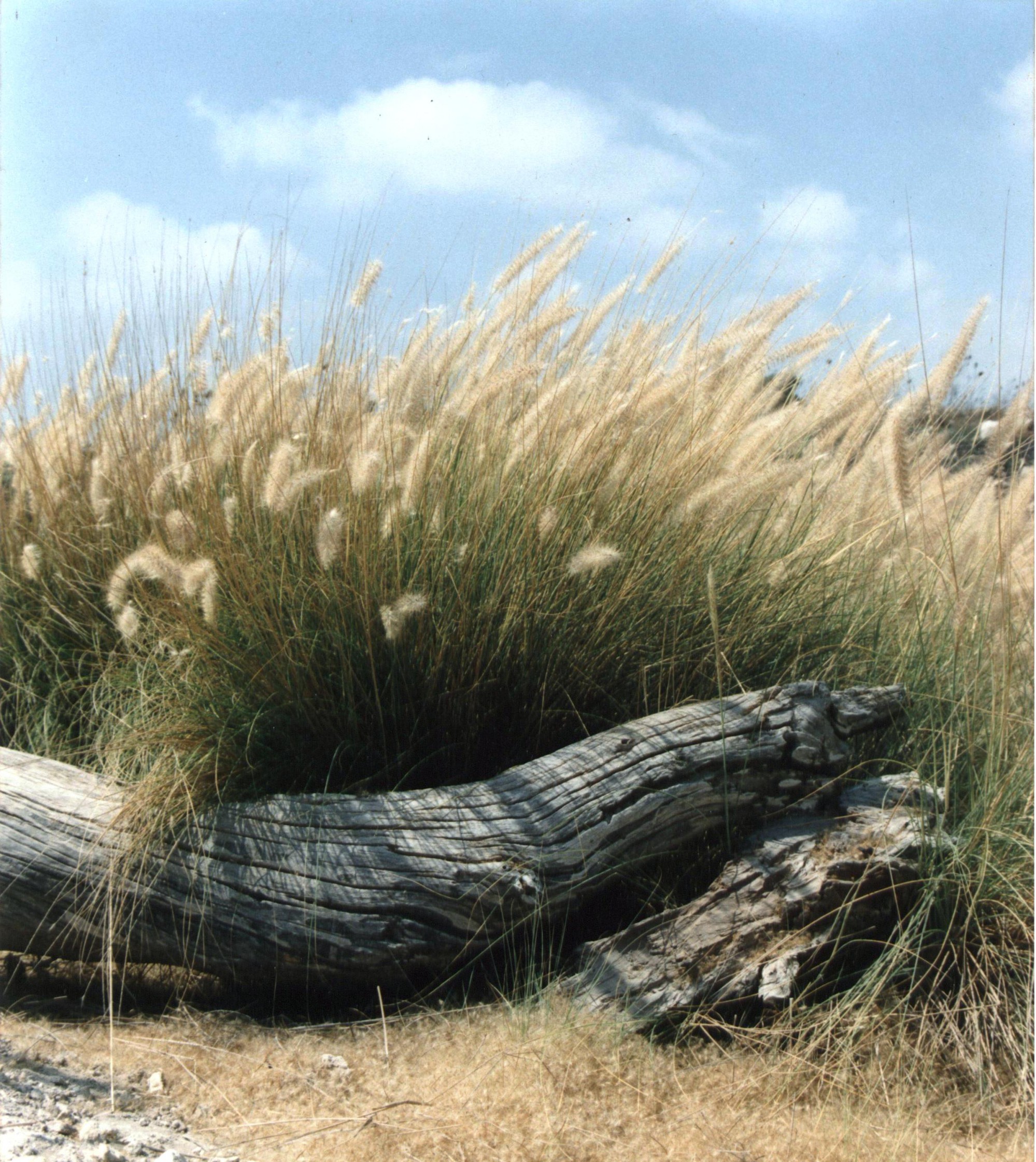
It all depends who you are talking to…

” I loathe my very life; therefore I will give free rein to my complaint and speak out in the bitterness of my soul. I will say to God: Do not condemn me, but tell me what charges you have against me. Does it please you to oppress me?…”

(Job 10.1-2)

May the glory of the Lord endure for ever; may the Lord rejoice in his works – he who looks at the earth, and it trembles, who touches the mountains, and they smoke. I will sing to the Lord all my life; I will sing praise to my God as long as I live. May my meditation be pleasing to him, as I rejoice in the Lord. But may sinners vanish from the earth and the wicked be no more. Praise the Lord, O my soul. Praise the Lord.

(Ps 104.31-35)

Do everything without complaining or arguing, so that you may become blameless and pure, children of God without fault in a crooked and depraved generation, in which you shine like stars in the universe as you hold out the word of life..

(Phil 2.14&15)

Humble yourselves, therefore, under God’s mighty hand, that he may lift you up in due time. Cast all your anxiety on him because he cares for you..and the God of all grace, who called you to his eternal glory in Christ, after you have suffered a little while, will himself restore you and make you strong, firm and steadfast.

(1 Pet 5.6&7, 10)

‘Do everything without complaining…’, do you ever feel with me that this is an impossible instruction from the apostle Paul? It is so easy for us to moan and grumble, to argue that we will feel better if we get things off our minds, to look for sympathy and support from friends. And yet, the command is there, quite explicitly and without any loopholes. I am convicted and silenced, and realise that I make a habit of complaint – dressing it up as ‘sharing my burdens’, but actually I am talking to other people in a negative way about how God is choosing to deal with me. And that speaks of a lack of trust, a shortfall of faith, an unwillingness to accept his will as my best.

For this reason, I was intrigued to find that the word used by the psalmist in psalm 104 for ‘meditation’ is actually used in other parts of the bible for a complaint! The same word is used by Job as he lamented his sorry condition – the complaint to which he gives free rein in God’s presence. The same word is also used when Hannah bewails her childless condition in the temple, lamenting her barrenness and calling on God in her distress. It is this kind of pondering, meditating, which the psalmist commends to God – the same God in whom he rejoices!

It appears then, that if we take our legitimate complaints to God, then we are doing something right; while if we take them to other people, we are failing to grow in faith and Christ-likeness. What makes the difference?

The context of the word in Psalm 104 suggests that the writer has taken time to consider the God of creation; the sustainer of life and worthy of reverence and praise. As one who has put their trust in this God, depending upon divine love and faithfulness, the psalmist comes with confidence as well as awe to lay all his burdens down. This commitment of everything that concerns him to the Almighty takes God’s promises and character seriously, and constitutes acceptable worship. In his own letter, Peter puts this same message very simply – tell God about EVERYTHING, because he cares for you (and by implication, is the one who in his loving wisdom will act for your best interests).

When I choose to honour God by bringing my complaints and sharing them completely with him, I am demonstrating a trusting and humble spirit, acting as though I believed that he has my best interests at heart and has good purposes for every situation in which I may find myself. In sending Jesus to die for me, God demonstrated the depth of his love and how much he wants to bless me – so shall I not honour him by refusing to complain to others about his dealings with me now?

Job was not rebuked for bringing his complaint to God; Hannah was answered in a wonderful way after pouring out her heart; Paul’s thorn in the flesh was not removed, but he received wisdom and grace to accept it as God’s best for him. I pray that I might learn this lesson for myself, learn to think before I grumble or moan and instead to talk honestly with my loving Father about what I am experiencing. May I choose to accept life from his hand with an expectation of blessing, and the assurance that I can always rejoice in him. May this be my worship and witness, and God-honouring choice in the days ahead.

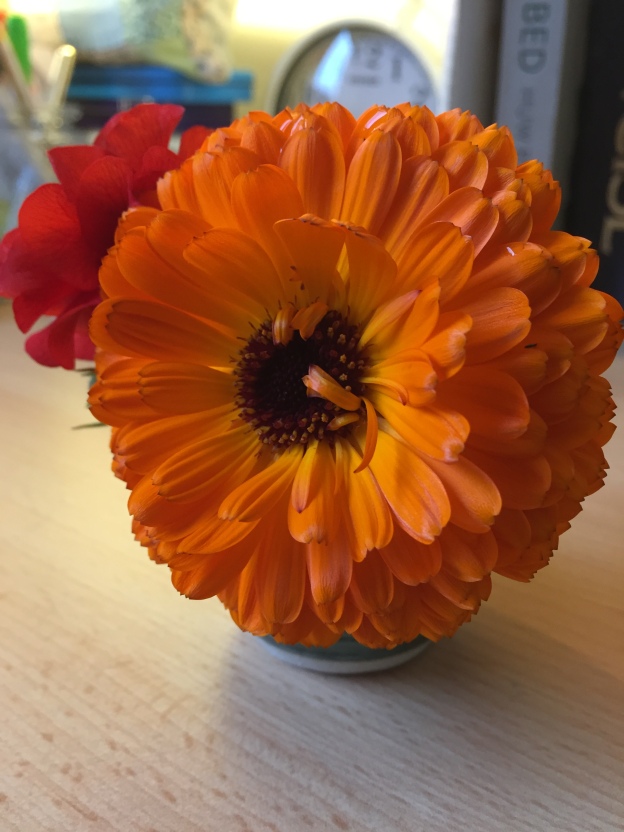
Mind-bending and magnificent..

In my vision at night I looked, and there before me was one like a son of man, coming with the clouds of heaven. He approached the Ancient of Days and was led into his presence. He was given authority, glory and sovereign power; all nations and peoples of every language worshiped him. His dominion is an everlasting dominion that will not pass away, and his kingdom is one that will never be destroyed.

(Dan 7.13&14)

So in Christ Jesus you are all children of God through faith, for all of you who were baptised into Christ have clothed yourselves with Christ. There is neither Jew nor Gentile, neither slave nor free, nor is there male and female, for you are all one in Christ Jesus. If you belong to Christ, then you are Abraham’s seed, and heirs according to the promise.

(Gal 3.26-29)

Because you are his sons, God sent the Spirit of his Son into our hearts, the Spirit who calls our, ‘Abba, Father.’ So you are no longer a slave, but God’s child; and since you are his child, God has made you also an heir.

(Gal 4.6&7)

But because of his great love for us, God, who is rich in mercy, made us alive with Christ..And God raised us up with Christ and seated us with him in the heavenly realms with Christ Jesus..

(Eph 2.4&6)

It is probably not possible for us to fully realise the impact of the gospel of Jesus on the cultural institutions of the Roman empire, but it is nonetheless worth trying. The exercise will help to illuminate the radical nature of the kingdom of God, and challenge us to look at our own attitudes to those around us.

Jesus’ life and ministry was – among other things- a revelation of the new kingdom which God was inaugurating, where human beings would be able to live as God intended, in direct, loving fellowship with him and with one another. The values of that kingdom challenged social structures, religious legalism, exploitation and oppression, and generally turned everything the Jews thought they knew about God and faith upside down! That is why the ministry of Jesus was finally perceived by the establishment to be so threatening that he must be killed. It is by faith in the sacrificial death of Jesus that human beings enter into the kingdom, and are made new; spirit-born and heart-transplanted so that we now live by his spirit not our own – finally both willing and able to choose God’s ways over our own.

The young churches bore witness to the power of gospel and radical nature of kingdom – in the practical eradication of social boundaries, whether based on class and status, gender or economic power. They lived the truth of who we are now in Christ – not only free from slavery to sin but adopted into the same family – of whom? Our Father is the greatest king, the eternal ruler. Our status derives from our family, and believers claimed that in Christ they were all equally valued, all significant, all loved, all worthy of honour not on grounds of social status, gender or power but because we all belong to a royal family. God has put us into place as part of his new creation, and that place is as the younger brothers and sisters of the Prince of Peace. The ultimate coming of the kingdom of God will see us realise our full potential as rulers, in God’s name, of his new creation.

While the boundaries in our own culture may not be exactly the same as they were for the early church, the challenge remains. We must not destroy our witness to this transforming gospel by despising or discriminating against our sisters and brothers. We must guard against everything which might cause division in God’s family – racial difference, cultural clashes, age or gender. There should be nothing which makes us stand aloof from a fellow believer, or – crucially – refrain from offering the gospel to another human being as if somehow it was not for them. We pray for honesty to discern in our hearts where we struggle to accept others, but also rejoice with repentance that God has accepted us too, has forgiven our sins and is at work to cleanse us from all unrighteousness – even prejudice and a critical spirit.

The unity of the early churches – breaking boundaries as they did – was not perfect, but it made a huge impact for the gospel and offered real and solid proof that God could change people, and that his kingdom was a place worth being in. Let’s pray that we too in our christian lives might mirror that loving acceptance of others, and exalt our God by our unity and welcome to all whom he is calling into his family today.


A sovereign remedy…for self-pity

But David thought to himself, “One of these days I shall be destroyed by the hand of Saul. The best thing I can do is to escape to the land of the Philistines. Then Saul will give up searching for me anywhere in Israel, and I will slip out of his hand.”

(1Sam 27.1)

Elijah was afraid and ran for his life. When he came to Beersheba in Judah, he left his servant there, while he himself went a day’s journey into the desert. He came to a broom tree, sat down under it and prayed that he might die. “I have had enough, Lord, ” he said. “Take my life; I am no better than my ancestors.”

(1 Kings 19.3&4)

I will not die but live, and will proclaim what the Lord has done. The Lord has chastened me severely but he has not given me over to death. Open for me the gates of righteousness; I will enter and give thanks to the Lord. This is the gate of the Lord through which the righteous may enter. I will give you thanks, for you answered me; you have become my salvation. …..You are my God, and I will give you thanks; you are my God and I will exalt you. Give thanks to the Lord, for he is good; his love endures for ever.

(Ps 118.17-21,28&29)

No temptation has seized you except what is common to man, And God is faithful; he will not let you be tempted beyond what you can bear. But when you are tempted, he will also provide a way out so that you can stand up under it.

(1 Cor 10.13)

Do not be anxious about anything, but in everything, by prayer and petition, with thanksgiving, present your  requests to God.

(Phil 4.6)

I am profoundly thankful that my heavenly Father unveils my faults to me in very small doses, so that I am not overwhelmed by the truth and instead can lean hard on his grace, the truth of his forgiveness, and acceptance of me. I rejoice that he can use me in spite of those faults, but I know too that they are revealed and made plain for a purpose – I am being called to repent, by his power to change, and to grow in maturity and likeness to Jesus.

Each of us has predispositions towards particular sins, and away from others, for a whole host of reasons, but that predisposition is never an excuse for refusing to recognise them and repent. I have a strong tendency toward self-pity; it is frighteningly easy for me to end up in that particular place and I am thankful that God is pressing me in these days to recognise and address this – it is a sin. It speaks of a profound distrust of God, and a resentment of what he is permitting in my life.

In David’s case, he had recently experienced a number of miraculous escapes from Saul, and could testify to God’s keeping, and yet suddenly he has had enough. He no longer feels able to trust God for the future – who am I to judge David in this, I who so readily make my own desperate little plans to protect myself and so easily forget all that God has already done on my behalf.

Elijah had just come from the triumphant defeat of the prophets of Baal on Mount Carmel, the Israelites had seen and acknowledged the power of the true God, and yet on receiving news of Jezebel’s threat against his life, Elijah goes to pieces and begs to die – has he forgotten God’s power on the mountain?! I forget too easily in my own life, and have no right to judge this great prophet for his temporary weakness.

So how should I respond when I find myself like Elijah, or David – at the end of my tether and tempted to give up on God, disbelieving and fed up? I believe that there is a sovereign remedy for this complaint, although sometimes it takes a great deal of self-discipline to apply it – thanksgiving, praising God for what is and has been and deliberately concentrating on gratitude and trust.

As Paul tells the Corinthian church, God never leaves us without a way out under temptation, so when I am tempted to wallow in self-pity I have a choice. Shall I choose to sin against my Lord’s love, faithfulness and promise, by sulking, harming myself and others, and frustrating his work in my life? Or will I choose to recognise the inherent sin of self-pity, and reject it? God’s plans for my life may include many trials, difficult times and painful experiences – but self-pity is not the fruit which he designs they should produce. Rather, a godly thankfulness, a humble awareness that I cannot understand his ways, but must and CAN trust him should inform my attitude.

May I commend this discipline of gratitude, and thanksgiving most earnestly to you? It has brought more consolation and help to me than I can begin to explain, and – I trust – will continue to be used by God to shape me into the likeness of my dear Lord Jesus.

Give thanks to our God, for he is so good; his love endures for ever.

Pressing the ‘reset’ button…

A psalm, a song, for the Sabbath day

It is good to praise the Lord and make music to your name, O Most High, to proclaim your love in the  morning and your faithfulness at night, to the music of the ten-stringed lyre and the melody of the harp.

For you make me glad by your deeds, O Lord; I sing for joy at the work of your hands. How great are your works, O Lord, how profound your thoughts! The senseless man does not know, fools do not understand, that though the wicked spring up like grass and all evildoers flourish, they will for ever be destroyed.

But you, O Lord, are exalted for ever.

For surely your enemies, O Lord, surely your enemies will perish; all evildoers will be scattered. You have exalted my horn like that of a wild ox; fine oils have been poured upon me. My eyes have seen the defeat of my adversaries; my ears have heard the rout of my wicked foes.

The righteous will flourish like a palm tree, they will grow like a cedar of Lebanon; planted in the house of the Lord, they will flourish in the courts of our God. They will still bear fruit in old age, they will stay fresh and green, proclaiming, “The Lord is upright; he is my Rock and there is no wickedness in him.”

(Psalm 92)

One of the most sustaining, helpful disciplines which we can cultivate as followers of Jesus, is that of speaking truth to our own spirits – the truth about God as revealed in his word and especially in his son our Saviour, Jesus.

Our lives in this sin-stained and fractured world are continually exposed to the results of evil – in ourselves, through the actions of others, and through the impact humankind is having on our planet. If we dwell exclusively on what we see, or even more deadly, on how we feel on a daily and hourly basis, then we are lost to a turmoil which brings us no peace, and undermines our witness to the good news about Jesus.

God’s unchanging character, his attributes and glory, are a surer foundation on which to ground our daily lives. He has revealed himself as a powerful Creator, a holy and just Judge, and an intimately interested, involved and sufficient Redeemer. He has promised that his chosen people will dwell in his presence in an eternal, joyful and fulfilling relationship which is simply beyond our imagination, and which means that physical death is simply a gateway to glory.

This psalm, which the Jews use especially to celebrate the ‘rest’ of the Sabbath – when they anticipate the complete rest from striving which God has promised his people – is a marvellous meditation on God’s character, works and promises, and acts as a ‘reset’ button. By that I mean the idea of restoring the original settings in a device, so that it functions as it was designed to do – a clearing away of unhelpful and distracting activities/actions. When the mind is fixed on truth, when ambitions, will and desire are continually directed and redirected towards godliness and obedience, towards the glory of God, the whole person is refreshed, sustained and able to thrive as they were designed to do.

As a follower of Jesus, I celebrate the Lord’s Day, when the resurrection proved with great power that his work of salvation had been completed, and God declared my debt had been paid in full. I celebrate the ‘rest’ into which I have entered, where I need not strive after perfection in order to be saved, nor wallow in self-pity and remorse in order to be forgiven. Instead, I rest entirely on what Jesus did for me, and worship Father, Son and Spirit – the author and agent of the great plan to restore human fellowship with a holy God. This psalm speaks for me as it did to the people of the Hebrew bible – of the greatness of God’s works, which include the atoning death of Jesus; of the sure judgement and final defeat of evil which will be accomplished and which sustains my faith as I walk in a darkened world.

As I take time regularly to ‘reset’ my faith, clear my thoughts of distractions, remembering Jesus and all he has done for me, I am refreshed, and – please God – come to resemble more and more those wonderful flourishing trees which continue to bear fruit down the years, because their roots are deep in the truth.

My Lord is my Rock; He has dealt with my sin and I sing for joy at the work of his hands. Jesus has vanquished every enemy, and I have seen their defeat at his cross and empty tomb. 

O Lord, my Lord, be exalted for ever!

when the heart breaks…

All day long I have held out my hands to an obstinate people, who walk in ways not good, pursuing their own imaginations – people who continually provoke me to my very face..

(Isa 65.2&3)

How long, Lord, must I call for help, but you do not listen? Or cry out to you, ‘Violence!’ but you do not save? Why do you make me look at injustice? Why do you tolerate wrongdoing? Destruction and violence are before me; there is strife, and conflict abounds. Therefore the law is paralysed, and justice never prevails. The wicked hem in the righteous, so that justice is perverted.

(Hab 1.1-4)

But as for me, I watch in hope for the Lord, I wait for God my Saviour; my God will hear me.

(Mic 7.7)

‘..But if you can do anything, take pity on us and help us.’ ‘”If you can”?’ said Jesus. ‘Everything is possible for one who believes.’ Immediately the boy”s father exclaimed, ‘I do believe; help me overcome my unbelief!’

(Mk 9.22&23)

Above all, you must understand that in the last days scoffers will come, scoffing and following their own evil desires. They will say, ‘where is this “coming” he promised? Ever since our ancestors died, everything goes on as it has since the beginning of creation..The Lord is not slow in keeping his promise, as some understand slowness. Instead he is patient with you, not wanting anyone to perish..But the day of the Lord will come…

(2Pet 3.3&4,9)

Endow the king with your justice, O God, the royal son with your righteousness. May he judge your people in righteousness, your afflicted ones with justice…For he will deliver the needy who cry out, the afflicted who have no one to help. He will take pity on the weak and the needy and save the needy from death. He will rescue them from oppression and violence, for precious is their blood in his sight.

(Ps 72.1&2,12-14)

I believe that I am made by God for a purpose – perhaps several purposes – and that my character, temperament, strengths and weaknesses are deliberately crafted by my maker. I therefore choose to accept what may feel like weakness, vulnerability, even what some might call ‘over-sensitivity’ as part of my calling. I believe that as a creature made for a specific time in history by God, made in his image and reflecting his character, I can be an instrument for his glory and the blessing of the church.

At the moment, I am aware of a strong, even an overwhelming urge for lamentation. I find myself echoing the words of psalmists and especially of the prophets, who were commissioned to speak God’s truth into particular situations.

As I consider the plight of our world today – politically, economically, socially, environmentally, morally…in every way, we are in an almighty mess of our own making. Every day brings fresh evidence of what happens when humanity deliberately chooses to abuse the gifts of God in creation and in ourselves. We were formed by God to be his stewards – to exercise authority in his name and on behalf of the good of all creation. Instead, we have consistently chosen to exercise authority in our own name, and in our own way – inevitably at the expense of others.

I believe that God has not abandoned us, that he is as good and powerful as when he first formed our universe, and that his purposes remain – to create a place where heaven and earth meet, where he can live in fellowship with his people. I also see that in his providence, God is choosing to allow many days to pass before he finally returns in Jesus to judge all humanity, to deal forever with evil, and to inaugurate that full realisation of his perfect kingdom.

Christians have wrestled with this ‘waiting time’ ever since Jesus ascended into glory; we long to see the end of suffering, pain, degradation and destruction. We long to see God glorified and Jesus exalted, but instead the world around increasingly and aggressively rejects and mocks the very idea of an Almighty. We long for justice to be done, and seen to be done, but instead we watch as evil wreaks havoc over and over, cycles of violence and corruption are repeated, and it seems the cry of pain going up from our planet to the throne of God must be unbearable.

I have no easy response to my situation; I believe that God calls us to feel and see in some small measure that he is troubled beyond our imagination by the mess of the world, so that we might also share the urgency of his commission to us to share the good news while we can. I should not rush to silence the spirit of lamentation, but like the prophets, bring it to God and sit in his presence with my pain, frustration and doubts.

We live in a broken world, how can we begin to really offer good news unless we are willing to see the extent of the brokenness (including our own)?

May God grant us courage to accept the pain of sharing his love for this beautiful and broken world, and its millions of people – each one made in his image, for an eternal destiny, and desperately needing to embrace the hope he offers for life in Jesus, the true King and royal son…

His door is never shut…

You prepare a table before me in the presence of my enemies. You anoint my head with oil; my cup overflows. Surely your goodness and love will follow me all the days of my life, and I will dwell in the house of the Lord forever.

(Ps 23.5&6)

But I am like an olive tree flourishing in the house of God; I trust in God’s unfailing love for ever and ever. For what you have done I will always praise you in the presence of your faithful people. And I will hope in your name, for your name is good.

(Ps 52.8&9)

The Lord is exalted, for he dwells on high; he will fill Zion with his justice and righteousness. He will be the sure foundation for your times, a rich store of salvation and wisdom and knowledge; the fear of the Lord is the key to this treasure.

(Isa 33.5&6)

Therefore, brothers and sisters, since we have confidence to enter the Most Holy Place by the blood of Jesus, by a new and living way opened for us through the curtain, that is, his body, and since we have a great high priest over the house of God, let us draw near to God with a sincere heart and with the full assurance that faith brings, having our hearts sprinkled to cleanse us from a guilty conscience and having our bodies washed with pure water.

(Heb 10.19-22)

A few months ago, I knew nothing about ‘social distancing’, COVID19 and ‘shielding’. I met friends in coffee shops, stayed in their houses in order to attend choir practice, visit the hairdresser and go shopping. I thought nothing of hugging, touching, expressing love through my hands as well as my words. And every week, I met with fellow believers to sing, pray and study God’s word in a variety of buildings around our parish.

So much has changed, we have learnt – through great upheaval and at the cost of thousands of lives and millions of pounds – just how powerful a virus can be, and how vulnerable we are. We have learnt that we can adapt incredibly quickly, discovered unexpected resilience, unlikely heroes have emerged, and at last we are discovering that true caring is priceless, and seriously undervalued in our society. And we have discovered just how much we are meant to live in community, how even a casual conversation in the street at an appropriate distance can sustain another day in isolation from family and friends.

But what of church? What difference has it made for me to be locked out of the buildings, to be forbidden to meet with others to sing, pray and study God’s word? I have been humbled and thrilled to discover that – just as the bible tells me – I am one who dwells for ever in God’s house. By faith in Christ, I am at home with my Heavenly Father and nothing can shut me out from his presence, or his arms. I can share every meal with him, every moment of my days is lived with him, and his word is my daily nourishment. I have been privileged in these days to experience what persecuted Christians around the world know in much harder circumstances, namely that I am never alone and God cannot be kept from me, his beloved child.

I don’t need to be in a particular building or even with certain people in order to worship God and delight in his presence. His word is with me, speaking to me and directing my thoughts. The wisdom and knowledge of God, the inestimable treasures of salvation, all these are mine, unlocked for me by Christ and providing a sure foundation on which I can depend when all around is uncertainty and fear. I can pray for my fellow believers even though I am not with them, because we are all united in Christ and stand before God’s throne of mercy together.

Great saints down the ages have known what it is to be deprived of their freedom and sent to prison or exile – and there they prove this truth, that God never abandons his children. While we are saved into a community of believers, and it is good to be physically present with one another, sharing praise and service and our lives, yet we are each directly united with Christ, and thus live always in God’s loving presence. When the distractions of ‘normal’ life are removed, we perhaps learn to think more of Christ and to see him more clearly – to celebrate the love which sent him to Calvary, and the goodness which informs everything that happens to us.

May these days of isolation and distance from one another bear this fruit in my life, and yours, that we learn to depend more and more upon Christ and find in him our satisfaction and refuge. The words of Samuel Rutherford – a Scottish minister of the 17th century who was imprisoned for his ministry and teaching beautifully express something of this :- “Let us be glad and rejoice in the salvation of our Lord, for faith had never yet cause to have wet cheeks and hanging-down brows…Faith may dance because Christ sings; and we may come in the choir and lift our hoarse and rough voices, and chirp and sing, and shout for joy with our Lord Jesus!” 

Not tame…but good!

Then the Lord answered Job out of the storm…”Brace yourself..I will question you, and you shall answer me. Where were you when I laid the earth’s foundation? Tell me if you understand…On what were its footings set, or who laid its cornerstone – while the morning stars sang together and all the angels shouted for joy?..Have you journeyed to the springs of the sea or walked in the recesses of the deep? Have the gates of death been shown to you? Have you seen the gates of the shadow of death? Have you comprehended the vast expanses of the earth? Tell me, if you know all this…”

(Job 38.1-4,6&7,16-18)

O Lord, our Lord, how majestic is your name in all the earth! You have set your glory above the heavens.

(Ps 8.1)

The heavens declare the glory of God; the skies proclaim the work of his hands. Day after day they pour forth speech; night after night they display knowledge.

(Ps 19.1&2)

Now faith is being sure of what we hope for and certain of what we do not see….By faith we understand that the universe was formed at God’s command, so that what is seen was not made out of what was visible.

(Heb 11.1&3)

I do not see the point of so many things – slugs and midges, the common cold, why hair has to turn grey or fall out, hiccups and stinging jellyfish..I don’t understand so much of God’s ways in the world – tyrants, war and misery apparently unchecked, human morality veering ever further from God’s principles, God’s apparent inaction in the face of people rejecting and reviling him. And I also don’t understand beauty, the persistent presence of goodness, truth, kindness and selflessness in the midst of chaos, pain and darkness.

But Jesus never said we would understand – he reminded his disciples that their faith should be like that of little children, who depend implicitly upon those who have power to protect and provide for them. Our faith in God is not because we understand what he is doing right now, or can predict what he will do next – we are not qualified to participate in the divine work at that level! Ours is a humbler role – which presumably is why humanity as a whole rejects it, our pride rebels against things we cannot understand and (by implication) control.

By faith, we depend upon God to be true to himself – the character revealed in creation, in scriptures and uniquely in Jesus himself. We do not and should not try to comprehend him, but rather recognise the wild, glorious goodness and power revealed in the Maker of this incredible world; who yet is also the crushed and bleeding man upon the cross.

In his Narnia books, CS Lewis cautions us against trying to fit God into our own image and understanding, as through the character of the great lion Aslan, he reveals one who is good, and yet not tame, one before whom we will rightly fall in trembling worship only to find ourselves utterly secure and safe in his presence.

When I am overwhelmed by the weight of the world’s troubles, tempted to doubt and despair, feeling helpless and ashamed that I cannot see God’s transforming work and have no answers to give to those who mock my faith – then I focus on two things. Firstly on the marvellous universe in which we live – God’s magnificent challenge to Job brings me such fierce joy as I share some of my Creator’s delight in the mysteries of the physical world. Secondly on the cross – the place where almighty power appeared in absolute weakness and conquered sin and death for ever, where the wild, unimagineable power of my God was fully revealed.

Let me be content to be mocked by more sophisticated minds, as I choose to make this God my foundation for life and hope. Let me be steadfast in reverent worship of the one who called the morning stars into being, and who has walked the recesses of the ocean! Lord, let me have total confidence in you; for although your ways are wild and strange to me, yet I believe in your goodness, because of Calvary. How I long for the day when  your name will be vindicated before all people; when your justice will be celebrated not derided and when faith will no longer be needed, for we shall see and live with you for ever….come Lord, come soon!

When the world shrinks..

Yet I am always with you, you hold me by my right hand. You guide me with your counsel, and afterward you will take me into glory. Whom have I in heaven but you? And earth has nothing I desire besides you. My flesh and my heart may fail, but God is the strength of my heart and my portion forever.

(Ps 73.23-26)

So do not worry, saying, ‘What shall we eat?’ or ‘What shall we drink?’ or ‘What shall we wear?’ For the pagans run after all these things, and your heavenly Father knows that you need them. But seek first his kingdom and his righteousness, and all these things will be given to you as well. Therefore do not worry about tomorrow, for tomorrow will worry about itself. Each day has enough trouble of its own.

(Matt 6.31-34)

Rejoice in the Lord always. I will say it again: Rejoice!. Let your gentleness be evident to all. The Lord is near. Do not be anxious about anything, but in every situation by prayer and petition, with thanksgiving, present your requests to God…I have learned to be content whatever the circumstances. I know what it is to be in need, and I know what it is to have plenty. …I can do all this through him who gives me strength.

(Phil 4 4-6,12&13)

Why, you do not even know what will happen tomorrow. What is your life? You are a mist that appears for a little while and then vanishes. Instead, you ought to say, “If it is the Lord’s will, we will live and do this or that.”

(Jas 4.14&15)

One of the most interesting lessons to come out of these strange days when the entire world is almost ‘on hold’, is the sense of learning to live one day at a time. For many believers in the developing world, this is a reality which they have no trouble inhabiting, since poverty, climate change, war and other factors make each day a fight for survival. Their faith in the God who loves and sustains them is humbling, a quiet rebuke to those of us whose lives are clothed in (to them) unimagineable luxury and security, and whose faith is perhaps less vigorous as a result.

Do I really mean it when I sing with the psalmist that ‘earth has nothing I desire beside you?’. Am I really choosing to live each day as if it were my last, and I am mindful only to be glorifying and enjoying God?

All of us are facing a very real grief for aspects of our lives which have been lost in the current situation. I think it is important to recognise and allow this to happen – the important thing is to bring the grief to God and ask him to keep the wounds healthy and clean, free of resentment. We will not get these days back again – days which should have been spent with loved ones, getting to know new babies, saying farewell to the dying; days set aside to be holidays and festivals, celebrations and joyous experiences; days which should have been spent away from home pursuing particular interests, opportunities for service.

We have a choice, in our confined condition, as our world has shrunk to our four walls, our immediate neighbourhood, to a future void of plans and only the shadows of anticipated pleasures which will not now be ours. We can choose to accept that since God is sovereign, good and just, he knows and is control of all that is happening. He knows our grief and loss, but he also knows that we can cope with his help, and find contentment – trusting that even our wounds can be a blessing. Or we can choose to resent all that we have lost, to disbelieve God’s goodness and faithfulness, and infuse our mourning with bitterness and self-pity.

Heavenly Father, thank you that we can come to you in our grief for all the many things which are not to be ours after all; for the days which cannot be recovered and which we had anticipated with so much pleasure. Thank you that you know how we are made, and you understand the wounds we carry and the temptation to resent what you are permitting in these days, to wallow in self-pity and choose sullenness.

Lord, in your mercy help us to choose instead to delight in what you have given – to remember our riches in Christ first and foremost, but then also to see so many other good things which are ours. Help us to accept with humble and reverent hearts that your will is the best place for us, even though we may not understand it, and even as we grieve, may we do so in a way that glorifies you and honours you. In Jesus’ precious name we pray, Amen.

A turning of the tide..?

For our offences are many in your sight, and our sins testify against us. Our offences are ever with us, and we acknowledge our iniquities: rebellion and treachery against the Lord, turning our backs on our God, fomenting oppression and revolt, uttering lies our hearts have conceived. So justice is driven back and righteousness stands at a distance; truth has stumbled in the streets, honesty cannot enter. Truth is nowhere to be found, and whoever shuns evil becomes a prey.

(Isa 59.12-15)

Jesus replied:”‘Love the Lord your God with all your heart and with all your soul and with all your mind.’ This is the first and greatest commandment. And the second is like it: ‘Love your neighbour as yourself.’ All the Law and the Prophets hang on these two commandments.

(Matt 22.37-40)

Jesus…said to them, “If anyone of you is without sin, let him be the first to throw a stone at her.”

(Jn 8.7)

If we claim to be without sin, we deceive ourselves and the truth is not in us.

(1 Jn 1.8)

Imagine…living in a society where no one assumed on the basis of a person’s colour that they were shiftless, dangerous, amoral or greedy.

Imagine…living in a society where the process of justice was applied fairly to everyone, regardless of their colour, background, education and wealth.

Imagine….living in a society where people were able to make fresh starts, to be forgiven and given grace to put the past behind them.

Imagine….living in a society where we could celebrate the marvellous things which make us different, because in every way they enrich us as a whole.

I believe in a kingdom where this kind of justice reigns; where this kind of love and forgiveness is available; where this kind of society can exist. And I recognise with deep sadness just how very far I am from being the kind of person who belongs in that kingdom – my place there is assured to me solely on the basis of Jesus’ sacrificial death on my behalf. I acknowledge with shame that I am part of a nation and culture whose wealth and privilege is built upon the suffering and exploitation of other human beings, and that those people have been ignored in our telling of history – it has not been true. Hypocrisy, greed, pragmatism and disdain for the image of God in our fellow human beings has been the characteristic of so much national and individual behaviour. And I have chosen to ignore the stories which tell the truth, in order to avoid being upset by it – where is my love for my neighbour, that I cling to my own comfort at the expense of their pain being prolonged and disregarded?

The sin of suspecting, mistreating and exploiting my neighbour must be recognised, called out for what it is, and repented of. I know that it may take me the rest of my life to root it out, but I also know and thank God that I may be forgiven for this sin too, and enabled to live differently in the future. Racist thoughts and actions are not beyond the reach of God’s forgiveness, and I believe that in my life – and perhaps at last in society at large – the tide may begin to turn and this gross offence against the image of God in each of his children will finally begin to be addressed.

I am not proud of the truth of my nation’s history in abusing my brothers and sisters around the world. But I am able to boast of a gospel which comes to each of us with hope for forgiveness and transformation, and which will bring God’s children from every nation, colour and tongue to worship at his throne one day.

I have been privileged to worship with fellow believers from Asia, Africa and Latin America, and to receive their loving welcome and hospitality to me, to be loved and to love in return. They choose to receive me as a sister, not to make assumptions about me based on my race – and I humbly thank them for not re-telling stories of exploitation and oppression, or assuming that I will behave in the same ways.

May I be quicker to listen, and slower to speak; eager to learn and less willing to teach; keen always to honour God by loving his children and by doing what is in my power to change my culture and see the values of God’s kingdom being lived out.

Bad debt..or good?

To the Lord your God belong the heavens, even the highest heavens, the earth and everything in it. Yet the Lord set his affection on your ancestors and loved them, and he chose you, their descendants, above all the nations..Circumcise your hearts, therefore and do not be stiff-necked any longer..Fear the Lord your God and serve him. Hold fast to him..He is the one you praise, he is your God who performed for you those great and awesome wonders …Love the Lord your God..

(Deut 10.14-11.1)

Sacrifice thank offerings to God, fulfill your vows to the Most High, and call on me in the day of trouble; I will deliver you, and you will honour me.

(Ps 50.14&15)

Give thanks to the Lord, for he is good; his love endures for ever. Let the redeemed of the Lord tell their story – some wandered in desert wastelands..some sat in darkness, in utter darkness..because they rebelled against God’s commands…some became fools through their rebellious ways and suffered affliction… Let them give thanks to the Lord for his unfailing love and his wonderful deeds for mankind, for he satisfies the thirsty and fills the hungry with good things..he breaks down gates of bronze and cuts through bars of iron…Let them sacrifice thank offerings and tell of his works with songs of joy.

(Ps 107.1,2,4,8-9,10,16-17,22)

Rejoice always, pray continually, give thanks in all circumstances; for this is God’s will for you in Christ Jesus.

(1 Thess 5.16-18)

I love the fact that everything in the bible is there for our good, to help us learn about our God, and to have confidence in living for him in this weary-yet-wonderful world. I love the fact that the whole sacrificial system instituted under Moses, directed by God, was to teach people how much God yearned to dwell with them, and how sin must be addressed in order to make that possible. And I really love the fact that there is a whole category of offerings/sacrifices which are simply described as fellowship offerings – distinctive because there was no element of atonement for sin or cleansing of guilt, and the worshipper shared in the communal meal associated with the sacrifice. The focus was on the fellowship which God delighted to share with his children – they had a meal together and enjoyed one another’s company!

Thank offerings were one particular type of fellowship offering, perhaps for occasions when something special had happened, or to celebrate a trial endured with God’s help. Above all, while they express a sense of indebtedness to God for all he is and does, they are NOT an attempt to repay the debt. When we make a sacrifice of thanksgiving, we express love and worship to God, recognising that he is the source of all good things, and his power in us is the reason we are able to achieve anything.

Are we sometimes tempted to think of our relationship with God as one where we need to keep up with him in terms of generosity in loving? In human relationships, there can be a struggle to accept gifts which we feel unable to repay; we may take pride in being “no man’s debtor”. And there is the dangerous word – pride – which has no place in a relationship of love and trust. Parents do not love their children and provide for them with a view to getting services and gifts back again in equal measure. Spouses do not love according to strict rules of equal generosity – or if we do, it is fatal to the health of the marriage.

There is equally no room for pride in our relationship with God. Who are we to think that we can ever repay the debt we owe the Creator of the Cosmos? Consider all that has happened in order to make your life possible, and it quickly becomes clear that we have nothing to offer in return. When we add the incredible gift of forgiveness and new life in Christ Jesus, and the transforming power of the Spirit – by whom alone we think, act and live godly lives – our debt becomes infinitely greater.

With the coming of Christ, all our sins are paid for, and the only sacrifice which is now necessary is the fellowship offering, when we come and share our delight in all that God has done for us. We have an unpayable debt, which God delights that we should not even try to address – rather we are to exult in it! The magnitude of our debt simply makes the work of Christ and the love of God even more splendid, and his grace more beautiful.

When we make a sacrifice of praise, we are focusing not on the sins (forgiven, and yet to be), but on the new life and relationship we now have with God. The root of sin is defeated, and we are always welcome to share the fellowship meal with him, celebrating Christ and anticipating his return. Our right response to this great debt of love and mercy is humility, fearless witness and continual thankfulness. On this debt we can depend as on a sure foundation, and a resting place where all fear is banished. I am loved, accepted and forgiven..Alleluia!

A debtor to mercy alone, of covenant mercy I sing; nor fear with thy righteousness on, my person and offering to bring.

The terrors of law and of God, with me can have nothing to do; my Saviour’s obedience and blood hide all my transgressions from view.

The work which his goodness began, the arm of his strength will complete; his promise is yea and amen, and never was forfeited yet.

Things future, nor things that are now, nor all things below or above can make him his purpose forego, or sever my soul from his love.

My name from the palms of his hands eternity will not erase; impressed on his heart it remains in marks of indelible grace.

Yes I to the end shall endure, as sure as the earnest is given more happy, but not more secure, the glorified spirits in heaven.

(AM Toplady 1740-1778)